


Google Ranking Factors You Must Know in 2026 (ROI-Based SEO Guide for Real Business Growth)

Most business owners today feel the same frustration. They invest in a website, publish blogs, maybe even hire an SEO agency, but still do not see real inquiries or sales from Google.
The problem is not SEO itself. The problem is how SEO is being done.
In 2026, Google is not rewarding websites just for existing or publishing content. It is rewarding websites that clearly help users, build trust, and convert visitors into real customers.
This guide explains Google ranking factors in a simple, practical way so you understand what actually matters for ranking and, more importantly, for generating ROI from your website.
1. SEO in 2026 is Not About Traffic, It is About Business Results
Earlier, SEO was treated as a way to get traffic. The more visitors a website had, the better it was considered.
That approach is no longer effective.
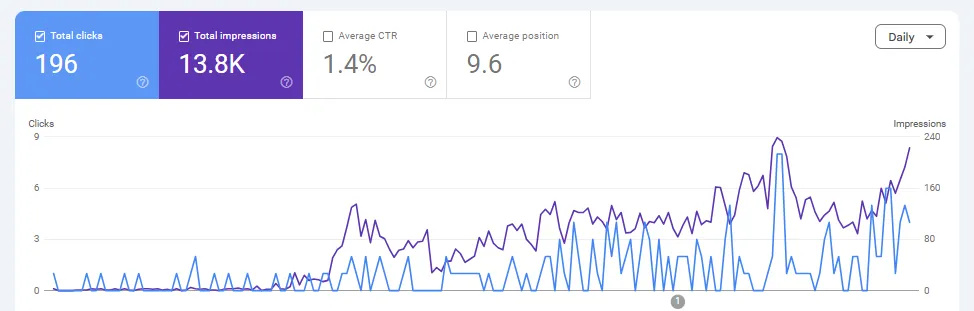
Today, a website can get thousands of visitors and still earn nothing. At the same time, another website can get fewer visitors but generate consistent leads and sales.
Google now indirectly rewards websites based on how useful they are for real users and how well they solve problems.
The focus has shifted from:
- Getting clicks
- To getting customers
Simple comparison
Traditional thinking:
- More traffic means success
Modern thinking:
- More qualified leads means success
This is why many websites rank but still fail in business. Ranking alone is not enough anymore.
2. Search Intent is the Most Important Ranking Factor
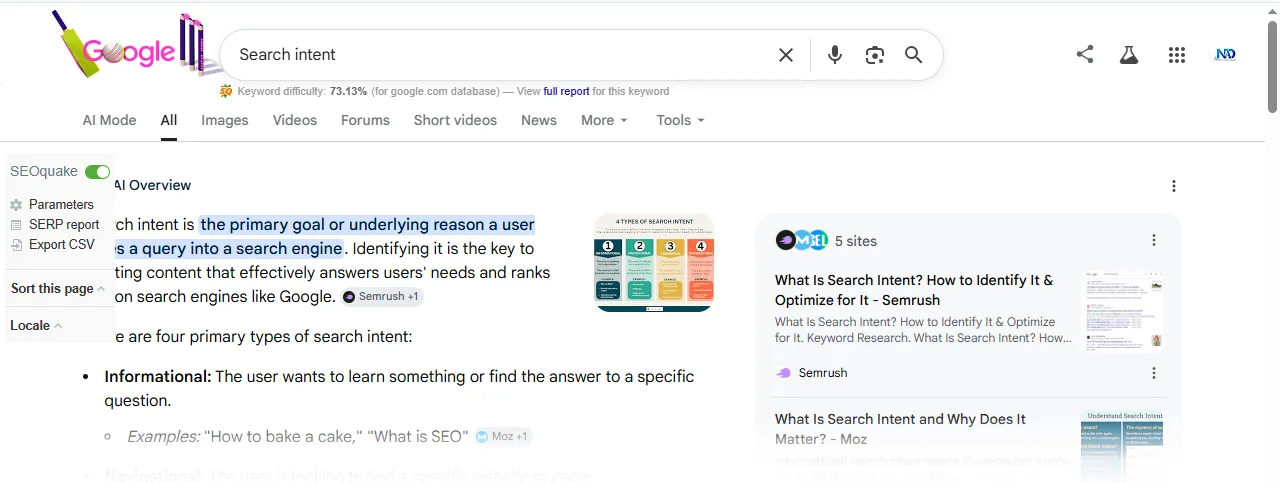
Search intent simply means understanding what the user really wants when they type something into Google.
If your content does not match that intention, it will not rank properly, no matter how good your SEO is.
There are different types of search intent:
- Informational intent: The user wants knowledge or understanding
- Commercial intent: The user is comparing options before buying
- Transactional intent: The user is ready to buy or contact someone
- Navigational intent: The user is searching for a specific brand or website
Why this matters for business
If you are a service-based business, like digital marketing or web development, you should focus more on commercial and transactional intent keywords.
For example:
- “Best SEO agency in Sialkot”
- “Website development company for exporters”
- “Digital marketing services near me”
These types of searches bring real clients, not just readers.
If you target only informational keywords like “what is SEO,” you will get traffic, but not serious buyers.
3. Content Quality and Topical Authority Matter More Than Individual Blogs
In the past, writing one good blog could help you rank. Today, that is not enough.
Google now looks at your entire website and checks whether you are an expert in a specific topic or just randomly publishing content.
This is called topical authority.
Topical authority means your website covers a subject in depth, not just in one article but across multiple related pages.
Example
Instead of writing only one article on SEO, a strong website will also have:
- SEO ranking factors explained
- On-page SEO guide
- Technical SEO checklist
- Local SEO strategy
- SEO mistakes businesses make
- SEO for exporters in Pakistan
When Google sees this structure, it understands that your website is a real expert in SEO.
This increases your chances of ranking across multiple keywords, not just one.
4. Experience, Expertise, Authority, and Trust (E-E-A-T)
Google now pays close attention to whether content is written by someone who actually knows the topic.
This is where E-E-A-T comes in:
- Experience means you have actually done the work
- Expertise means you understand the subject deeply
- Authority means others recognize you in the industry
- Trust means users feel confident in your content and business

Why this is important
If your website looks like it is only copying generic information, Google will not trust it.
But if your content includes real examples, practical insights, and real business experience, it performs much better.
For example, a digital marketing agency that shares real client results and strategies will always perform better than a blog that only explains theory.
5. User Experience Plays a Major Role in Rankings
Google pays attention to how users behave after they visit your website.
If users leave quickly, it signals that the page was not helpful.
If users stay longer, explore more pages, and interact with content, it signals quality.
Key user experience factors include:
- Website loading speed
- Mobile friendliness
- Easy navigation
- Clear structure of information
- Readable content layout
Business impact
A slow or confusing website does not just hurt rankings. It directly reduces your leads.
Even if you are ranking, users will leave before contacting you if the experience is poor.
A well-structured website increases both rankings and conversions.
6. Backlinks Still Matter, But Quality is Everything
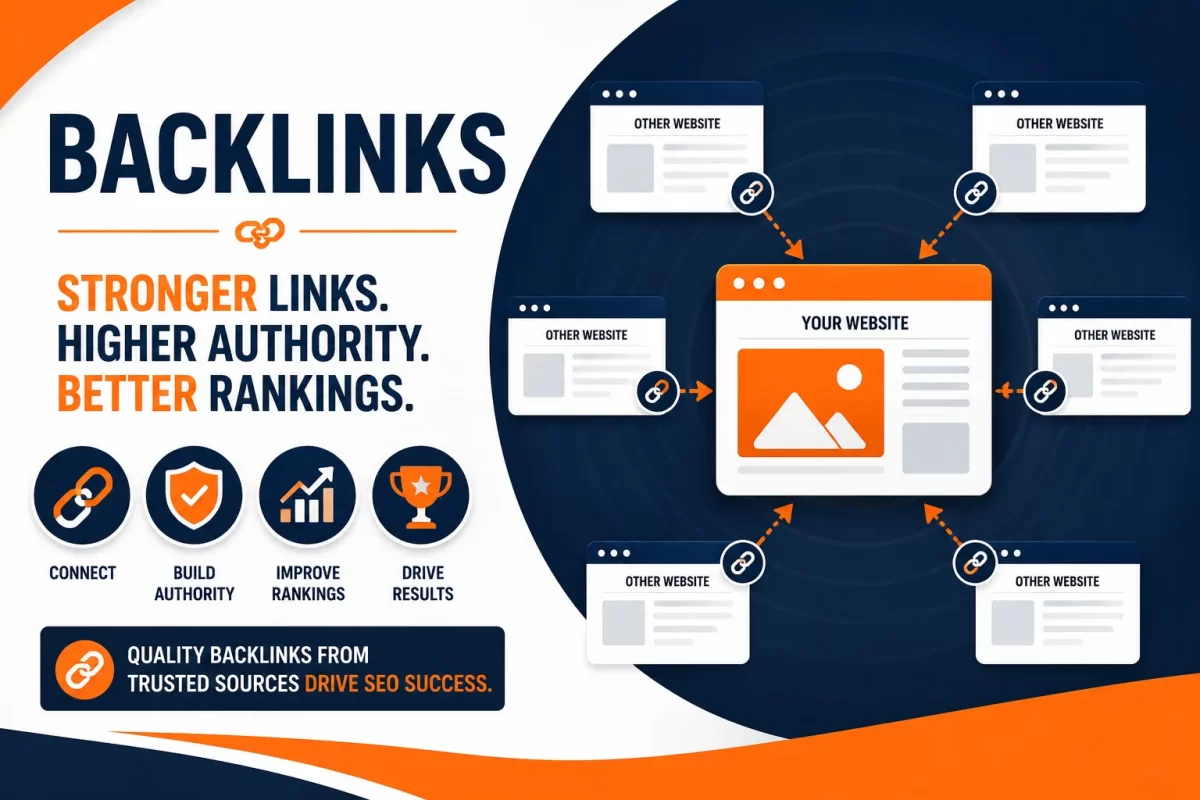
Backlinks are links from other websites pointing to your website. They act like trust signals.
However, in 2026, the focus is not on getting as many backlinks as possible. It is about getting the right backlinks.
What Google values now
- Links from relevant websites in your industry
- Mentions from trusted blogs or news websites
- Natural references to your brand
- Editorial links earned through value
What does not work anymore
- Spam directory submissions
- Random low-quality guest posts
- Paid irrelevant backlinks
Simple understanding
One strong backlink from a trusted website is more powerful than 100 weak backlinks from unrelated sites.
7. Content Freshness is Important for Rankings
Google prefers content that is updated and relevant.
Even if your content was ranking well before, it can slowly drop if it becomes outdated.
Why updates matter
Industries change. Information changes. Strategies change.
If your content still shows old information, Google considers it less useful.
What should be updated regularly
- Statistics and data
- Examples and case studies
- Industry strategies
- Service information
- Internal links
Regular updates signal that your website is active and reliable.
8. Engagement Signals Show Real User Satisfaction
Google observes how users interact with your website to understand whether your content is helpful.
If users:
- Stay on your page longer
- Click on other pages
- Read multiple sections
- Return again later
Then your website is considered valuable.
If users:
- Leave immediately
- Do not scroll
- Do not interact
Then your ranking may drop over time.
Engagement is a hidden but powerful ranking factor.
9. Technical SEO is the Foundation, Not the Strategy
Technical SEO ensures that Google can properly access, read, and index your website.
Without it, even the best content may not rank.
Important technical factors include:
- Fast loading speed
- Mobile responsiveness
- Proper indexing
- Secure website (HTTPS)
- Clean website structure
However, technical SEO alone does not bring results. It only supports your content and strategy.
10. Local SEO is Extremely Powerful for Service Businesses
For businesses targeting cities like Sialkot, local SEO is one of the most effective ways to get clients.

When someone searches for services like:
- SEO services in Sialkot
- Website design company near me
- Digital marketing agency in Sialkot
They are usually ready to buy.
Important local SEO factors:
- Google Business Profile optimization
- Customer reviews
- Local keyword targeting
- Business listings consistency
Local SEO brings highly qualified leads because the user already has buying intent.
11. SEO Without Conversion Strategy is Useless
Many websites get traffic but no leads. The reason is simple: they are not designed to convert visitors into customers.
SEO should not stop at ranking. It should continue until conversion.
Key conversion elements:
- Clear service pages
- Strong call-to-action buttons
- WhatsApp or contact integration
- Trust signals like testimonials
- Simple inquiry forms
If users do not take action, traffic has no business value.
12. Common SEO Mistakes Businesses Still Make
Many businesses fail in SEO because they:
- Focus only on traffic, not leads
- Write content without understanding intent
- Ignore service pages and only focus on blogs
- Do not build internal linking structure
- Do not track conversions properly
These mistakes make SEO look like it is not working, even when rankings improve.
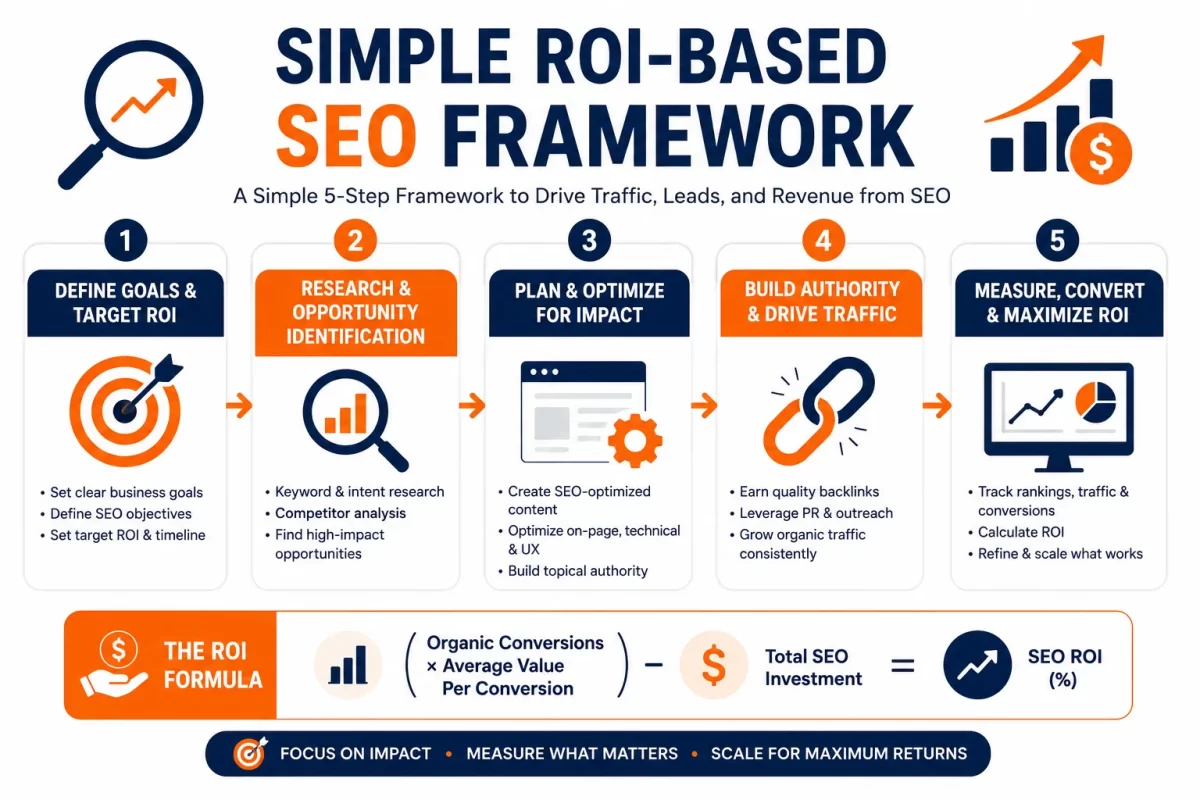
13. Simple ROI-Based SEO Framework
A practical SEO system looks like this:
- Research keywords based on buyer intent
- Create content that solves real business problems
- Improve website structure and user experience
- Build authority through quality backlinks
- Optimize pages for conversions
When all these steps work together, SEO becomes a consistent source of business growth.
Conclusion
Google ranking in 2026 is not about shortcuts or tricks. It is about building a strong, trustworthy, and useful online presence that solves real problems.
If your website is not generating results, the issue is not Google. The issue is that your SEO is not aligned with user intent, business goals, and conversion strategy.
When SEO is done correctly, it becomes one of the most powerful long-term systems for generating clients and revenue.
At Logical Tech Zone, we focus on building SEO systems that do not just bring traffic, but bring real business growth for service-based companies, exporters, and local businesses.
FAQs: Google Ranking Factors in 2026
The most important factor is search intent matching, meaning how well your content answers what the user actually wants.
Most likely because your content does not match search intent or lacks authority and structure.
Generally, it takes 3 to 6 months depending on competition and strategy.
Yes, but only high-quality and relevant backlinks matter now.
It means Google checks if you have real experience, knowledge, authority, and trust in your topic.
Blogs help, but without service pages and conversion strategy, results will be limited.
Content that targets users ready to take action or make decisions ranks faster.
Yes, SEO is still very powerful when focused on business results, not just traffic.
Because Google tracks how users behave on your website and uses it to judge quality.
By targeting the right keywords, improving website structure, and optimizing pages for conversions.


